
Capabilities
How a private label run works
The Private Label division covers products supplied under your own brand, and the Packaging division covers the pouches, closures and labels they go into. This page is the other half of that: how a run is specified, sampled, approved, produced and delivered.
It reads the same whether you arrive with a finished formulation or with a target and a price point, and whether you are buying the product, the packaging, or the product already packed.
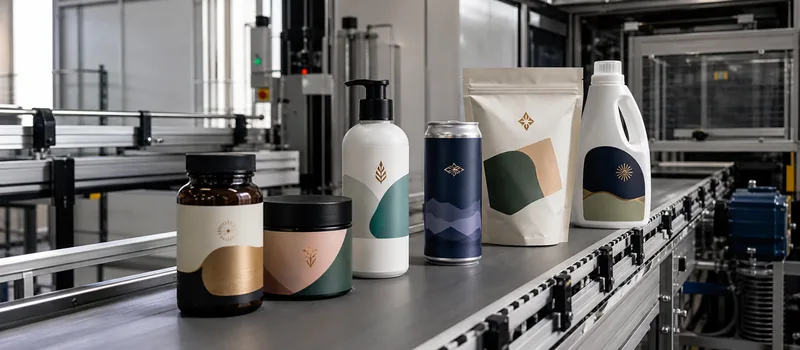
How it works
Brief
Tell us the product, the market and the pack format. If you have a formulation, we work to it. If you have a target and a price point instead, we start there.
Formulation
We match an existing specification or adapt a proven base. You see what is in it and what each ingredient is doing before anything is made at scale.
Sample
A sample of the actual product in the actual pack, so the decision is made against the thing rather than a description of it.
Artwork and labelling
You supply artwork or we work with what you have. We check the label carries what the market requires it to carry before it goes to print.
Production and fill
Manufactured, filled, capped, labelled and cased in one run, on a schedule agreed before it starts.
Delivery
Delivered as finished goods to your warehouse or direct to your distribution point, with the documentation for the batch.
Pack formats
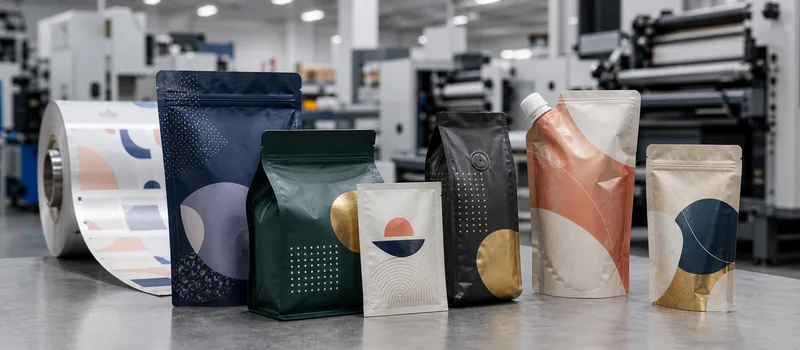
Resealable zippered pouches
Stand-up and flat pouches with a resealable closure, for powders, granules, flakes and sample sizes. The format retail stocks where a rigid pack would be over-engineered.
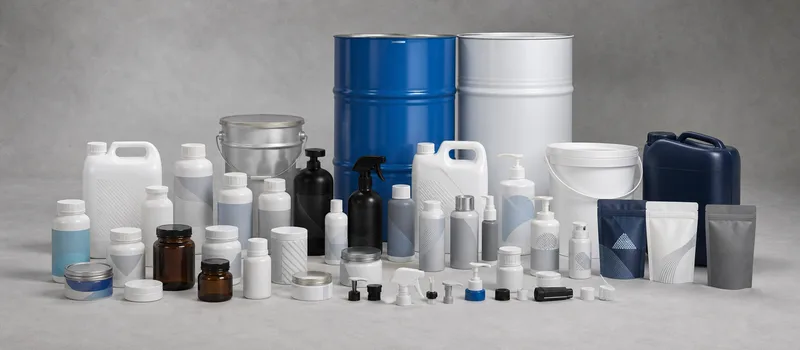
Bottles and jars
Rigid retail packaging with the closure the product needs — cap, pump, trigger or dispenser — in materials compatible with the contents.
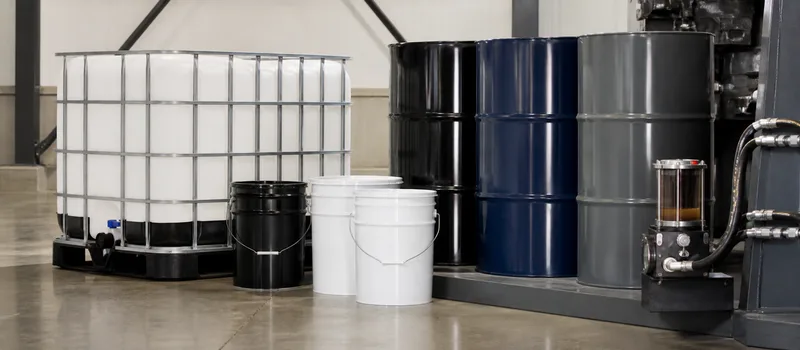
Pails and drums
Trade and professional volumes, from pails through to drums, for customers buying to use rather than to resell.
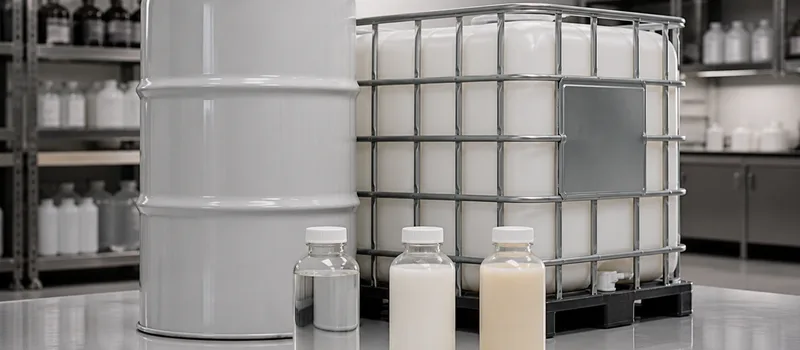
Bulk and totes
IBC totes and bulk supply where your customer is decanting or re-processing rather than using the pack as sold.
Your formulation or ours
If you arrive with a specification, we match it. That is the straightforward case: you own the formulation, the selected partner facility manufactures and packs to it, and nothing about the product changes because it changed supplier.
If you arrive with a target instead — a price point, a performance level, a claim you need to be able to make — we start from a proven base and adjust. You see the formulation either way. There is no black box, and nothing you cannot answer a question about when a customer asks.
Labelling and compliance
A private label product makes claims in your name. What has to appear on the label depends on the product category and the market it is sold into, and getting it wrong is a recall risk rather than a design problem.
We check the label against what the category requires before print, and we supply the batch documentation that supports what it says. Where a claim needs evidence we do not have, we will tell you that rather than let it go to print.
Packaging that suits the contents
Packaging failure is usually a chemistry problem before it is a supply problem: the wrong resin, the wrong liner, the wrong closure for a product that swells or off-gasses. Material selection accounts for what is going inside.
We can supply the packaging on its own, or supply the product already in it. Most customers want the second — one supplier, one purchase order, and no risk of the pack and the product arriving out of step.
Minimum run sizes, lead times and pricing depend on the product, the format and the volume, so we confirm them for your specific project rather than quoting a general figure that would be wrong for most of them.